

Is Tea Tree Oil Good for Health and Skin? What’s the Best Tea Tree Oil to Use?
Let’s cut to the chase—tea tree oil has been hyped up a lot lately, right? You’ve probably seen it in skincare products, heard friends rave about it, or even stumbled on it while scrolling for natural remedies. But does it actually live up to the buzz? And if it does, how do you pick the right one so you’re not wasting your money? Let’s break this down, no fancy jargon—just real talk.

First off, let’s get one thing straight: not all tea tree oils are created equal. If you’ve ever Googled “tea tree oil,” you know the options are endless—from cheap drugstore bottles to fancy organic brands. But here’s the secret: the best tea tree oil is 100% pure, cold-pressed (or steam-distilled, either works), and made from fresh or partially dried Melaleuca alternifolia leaves. Skip anything with added fillers, fragrances, or “diluted” labels unless you’re buying a pre-mixed product—those won’t give you the full benefits.
Tea Tree Oil Benefits for Health and Skin
Okay, so why do people swear by this stuff? Let’s dive into the good stuff—because there’s a reason it’s been used in Australia for nearly 100 years (yes, 100 years!).
Antibacterial Properties
Tea tree oil’s claim to fame is its antibacterial superpowers. Seriously, studies say it can take on a whole range of bacteria by busting through their cell walls. Back in the day, Australian Indigenous communities used it for cuts and scrapes, and today, it’s still a go-to for minor skin infections. Is it a magic bullet? No, but it’s pretty impressive for a natural oil.
Anti-Inflammatory Effects
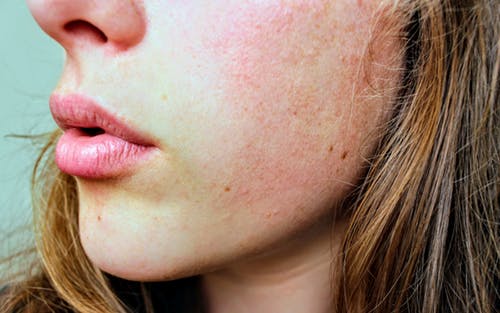
Ever had a red, puffy zit or an itchy rash that won’t quit? Tea tree oil might be your new BFF. It’s packed with terpinen-4-ol, a compound that’s been shown to calm inflammation. Animal studies found it can reduce swelling from oral infections, and human tests? People who used tea tree oil topically had less redness and swelling from histamine reactions than those using plain old mineral oil. Win!
Antifungal Action
Yeast infections, athlete’s foot, ringworm—tea tree oil takes on fungi like a pro. A big review of studies found it kills common fungi like Candida albicans (the one that causes yeast infections). Even better? Terpinen-4-ol can make antifungal meds work better on stubborn, drug-resistant fungi. That’s a game-changer for anyone who’s struggled with recurring fungal issues.
Potential Antiviral Benefits
Full transparency: this area is still pretty new. Some small studies suggest tea tree oil might fight certain viruses, but we need more research to know for sure. Don’t toss your hand sanitizer just yet, but it’s a promising sign for future uses.
Acne Treatment
Acne affects 50 million Americans—so if you’re dealing with it, you’re not alone. Here’s the tea: a study found that tea tree oil gel worked way better than a placebo for reducing pimples. Another study compared 5% tea tree oil gel to 5% benzoyl peroxide (a common acne ingredient). Both worked, but tea tree oil had way fewer side effects (hello, no dry, peeling skin!). It might take a little longer to see results, but it’s gentler—worth the wait, right?
Athlete’s Foot Relief
Athlete’s foot is the worst—itchy, scaly, and just plain annoying. Studies show 10% tea tree oil cream works as well as 1% tolnaftate (a prescription antifungal) for relieving symptoms. But wait, here’s the catch: lower concentrations might not cure it fully. A more recent study found that 50% tea tree oil helped 68% of people feel better and 64% get a full cure—double the placebo group. So if you’re serious about ditching athlete’s foot, go for a higher concentration (but always dilute it first!).
How Good Is Tea Tree Oil for Oily Skin?
Oily skin folks, raise your hand! If you’ve tried every oil-free moisturizer and mattifying primer under the sun with no luck, tea tree oil might be your saving grace. Let’s talk why:
- Its antibacterial and antifungal compounds fight the bacteria that cause breakouts (looking at you, P. acnes).
- It penetrates deep into your skin to unclog pores and regulate sebum (oil) production—so you’re less shiny by midday.
- It’s packed with antioxidants that protect your skin from damage (hello, fewer dark spots!).
But important note: Never put undiluted tea tree oil directly on your skin—it can cause irritation. Mix a few drops with a carrier oil like jojoba, coconut, or almond oil first. Start with a small amount (1 drop of tea tree oil per 10 drops of carrier oil) to test how your skin reacts.
What’s the Best Tea Tree Oil to Buy?
We touched on this earlier, but let’s make it crystal clear. When shopping for tea tree oil, look for these three things:
- 100% Pure: No additives, no fragrances, no fillers. The label should say “100% Melaleuca alternifolia oil.”
- Proper Extraction: Cold-pressed or steam-distilled (these methods preserve the oil’s beneficial compounds).
- Freshness: Check the expiration date—tea tree oil can go bad after a few years. Store it in a dark bottle (light breaks down the oil) in a cool, dry place.
Skip the cheap stuff from no-name brands—you get what you pay for. Trust me, a high-quality bottle will last longer and work better than a $5 one that’s half water.
Final Thoughts
Tea tree oil isn’t a miracle cure, but it’s a versatile, natural tool for your health and skincare routine. From clearing acne to soothing athlete’s foot, it’s got a lot going for it. Just remember to pick a pure, high-quality oil, dilute it before use, and patch-test first. If you’re dealing with a serious infection or condition, always check with a doctor—natural doesn’t mean risk-free.
So, is tea tree oil worth the hype? For most people, yes. Give it a try, and let me know how it works for you—curious to hear your thoughts!


