
Essential Oils 101: Single vs. Compound—What’s the Difference?
Hey there! If you’re just starting to explore the wonderful world of essential oils, there’s a key question you’ll probably run into: what’s the difference between single essential oils and compound essential oils? Let me spill the tea—no, not literally, but the good stuff about these plant-powered wonders!
First off, let’s get the basics straight. Essential oils are these magical extracts from plants—think flowers, leaves, stems, bark, or even roots—each with their own unique scent and superpowers for your mind, body, and mood. Now, not all essential oils are the same, and that’s where the single vs. compound debate comes in.
What Are Single Essential Oils?
Single essential oils (also called pure essential oils) are exactly what they sound like: 100% pure extracts from one single plant. No other oils mixed in, no fancy additives—just the raw, concentrated goodness of one plant. They’re like the “building blocks” of aromatherapy, each with its own specific benefits and scent profile.
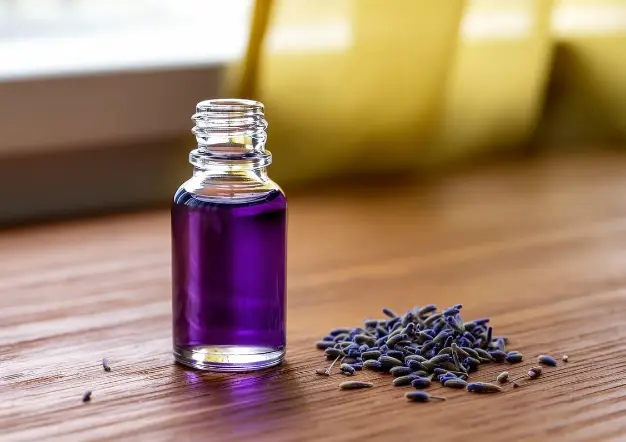
For example, 100% lavender oil is a single essential oil—extracted straight from lavender flowers—and it’s famous for its calming, sleep-friendly properties. Other single oils include:
- Peppermint oil: Energizing, helps with focus and headaches
- Tea tree oil: Purifying, great for skin and immune support
- Ylang ylang oil: Romantic, balances emotions and lowers stress
- Sweet orange oil: Uplifting, perfect for mood boosts (hello, happy vibes!)

Single oils are awesome because they let you get to know one plant’s scent and benefits deeply. If you’re new to essential oils, starting with single oils is like trying a single-flavor ice cream first—you can figure out what you love (or hate!) before mixing flavors.
What Are Compound Essential Oils?
Now, compound essential oils (also called blended essential oils) are like the “pre-made smoothies” of the essential oil world. They’re made by mixing two or more single essential oils together to target a specific need or enhance effects. Think of them as “prescription blends” for your mood, skin, or daily routine!
For example, a “Stress Relief Blend” might mix lavender (calming), ylang ylang (relaxing), and bergamot (cheerful) to create a supercharged version of relaxation. Or a “Sleep Support Blend” could combine lavender, chamomile, and vetiver for extra zzz-power. Brands like [Your Brand] offer ready-to-use compound oils, or you can make your own if you’re feeling crafty!
Why bother with compound oils? Oh, you’ll love this: they use the “1+1>2” magic called synergy. That means when you mix two (or more!) single oils, their benefits combine to be stronger than the sum of their parts. For example, sweet orange (uplifting) + bergamot (soothing) + lavender (calming) = a compound oil that’s way more than just “happy”—it’s a triple threat for reducing stress and lifting your spirits!
Single vs. Compound: Which Should You Use?
Great question! Let’s break down when to reach for single vs. compound oils:
- Single essential oils: Best for exploring and customizing. If you want to test which scents you love (like sweet orange vs. peppermint), start here. They’re also perfect for DIY projects—you can mix them yourself later! Just remember: some single oils are strong, so always dilute with a carrier oil (like jojoba or sweet almond oil) before applying to skin.
- Compound essential oils: Best for specific needs. Need a quick pick-me-up for stress? Grab a stress blend. Want to simplify your routine? A compound oil like “All-in-One Calm” does the work for you. They’re pre-blended, so you don’t have to guess which oils to mix—just open the bottle and go!
Pro tip: If you’re new to essential oils, start with single oils to learn your preferences. Once you know what scents calm you (lavender!) or energize you (peppermint!), then try compound oils to target specific issues. It’s like finding your favorite flavor first, then mixing it with a new one for a twist!
How to Use Single Essential Oils
Single oils are super versatile, but here are my go-to tips for beginners:
- Diffuse: Add 3-5 drops to your diffuser for a quick mood boost. Lavender at night = perfect for sleep; citrus oils in the morning = happy energy!
- Rollerball blends: Mix 1 drop of your favorite single oil with 1 teaspoon of carrier oil (like jojoba), then put it in a rollerball bottle. Great for on-the-go! (Lemon oil = invigorating for midday slumps.)
- Topical use: Always dilute first! Mix 2-3 drops of single oil with 1 teaspoon of carrier oil (like coconut oil for dry skin) and massage into your temples or wrists. Avoid undiluted oils on sensitive skin—they’re potent!
Remember: Everyone’s different! If you’re sensitive to strong scents, start with lighter single oils like sweet orange or geranium. If you love bold smells, try eucalyptus or sandalwood (but patch test first!).
How to Use Compound Essential Oils
Compound oils are the “set-it-and-forget-it” heroes of essential oils. Here’s how to make the most of them:
- Diffuse: Just add 5-8 drops to your diffuser. No need to dilute—they’re already pre-mixed! A “Uplifting Morning Blend” with citrus and rosemary will make your mornings feel like a spa day.
- Rollerball application: Many compound oils come in rollerball bottles, so you can apply directly to your skin. Perfect for stress relief on the go—just roll on your wrists or neck and breathe in!
- Massage: Mix 2-3 drops of compound oil with 1 tablespoon of carrier oil (like sweet almond oil) for a relaxing massage. Look for blends like “Muscle Relief” if you’re sore after a workout!
Pro tip: Always check the label for usage instructions! Some compound oils are made for diffusing only, while others are safe for skin. If you’re unsure, start with a small amount and see how your skin reacts.
Common Mistakes to Avoid
Let’s be real—essential oils are powerful, so there are a few pitfalls to watch out for:
- Overusing single oils: They’re concentrated! A little goes a long way. 1 drop in a diffuser is enough for a small room—too much can make your space smell overwhelming.
- Mixing conflicting oils: If you love lavender (calming) and peppermint (energizing), mixing them will cancel each other out! Stick to oils that work together. For example, lavender + ylang ylang = extra relaxation; peppermint + rosemary = extra focus.
- Ignoring allergies: Do a patch test! Put a tiny drop of oil on your inner elbow, wait 24 hours. If it doesn’t itch or turn red, it’s safe. If you’re pregnant, nursing, or have health conditions, check with a doctor first!
Final Verdict: Single vs. Compound—Which Wins?
Here’s the bottom line: single essential oils are your “exploration tools”—great for learning, DIY projects, and customizing. Compound essential oils are your “problem-solvers”—perfect for specific needs like stress, sleep, or focus. Think of single oils as the building blocks and compound oils as the finished house!
So, what’s your first move? If you’re new, grab a single oil like sweet orange and see how it makes you feel. Once you’re hooked, try a compound oil for a targeted boost! Remember, essential oils are all about what makes you feel amazing—trust your nose and your gut!
Happy blending, and may your diffuser always smell like a sunny day (or a cozy night in—either works!).


